

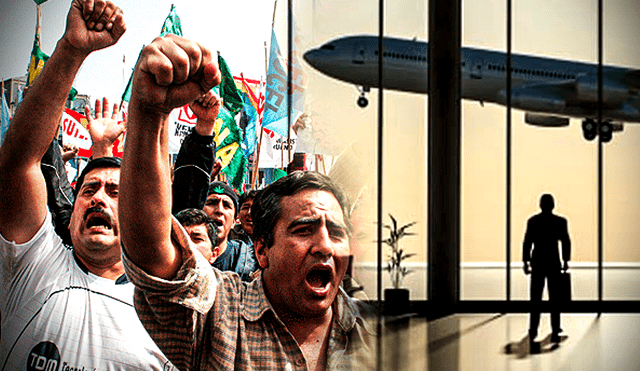
Exhaustive Update on Political Asylum in the United States
In recent weeks, President Donald Trump's administration has implemented a number of measures that significantly transform the political asylum landscape in the United States. These actions have generated diverse reactions at both the national and international levels.
Deportation Operations in Chicago
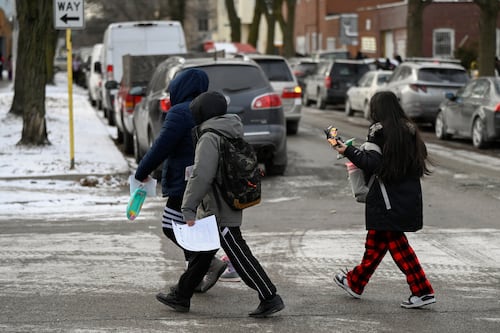
On January 26, 2025, an operation was conducted in Chicago led by the Trump administration to address irregular immigration. This initiative, supervised by Emil Bove, involved the Department of Justice and immigration agents, and was declared a "national emergency."
The main objective was to deport foreigners without criminal record and prior expulsion orders. However, defence groups have filed complaints against the administration and the Immigration and Customs Control Service (ICE), arguing that these raids constitute reprisals and violate the First Amendment. The governor of Illinois, JB Pritzker, has expressed his willingness to cooperate in the deportation of immigrants with criminal records, but is opposed to indiscriminate identification.
Elimination of the Humanitarian 'Parole'
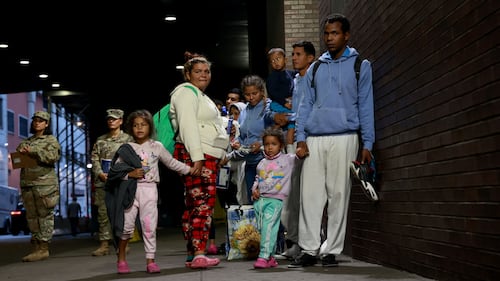
On January 22, 2025, the Trump administration eliminated the humanitarian 'parole' program established during the Biden government, affecting more than half a million immigrants from Venezuela, Cuba, Nicaragua and Haiti. This programme allowed legal entry into the United States with a two-year residence and work permit.
With their elimination, pending applications will no longer be processed, and those approved that have not yet travelled will not be able to do so. Current beneficiaries can still explore legal options such as asylum, the Treaty against Torture, the retention of expulsion and the Cuban Adjustment, depending on their nationality.
Diplomatic Tensions with Colombia
In a recent diplomatic dispute, the United States announced a 25% increase in tariffs on Colombian products after Colombia refused to receive two flights with deportees. In addition, customs inspections and visa restrictions were implemented for Colombian officials.
In response, Colombian President Gustavo Petro increased US product tariffs by 25%. The crisis was resolved when Colombia accepted without restrictions the return of its deported citizens, with guarantees of decent treatment, leading to the suspension of sanctions by the United States. Both Governments now seek a more stable agreement and the high-level negotiations will continue
Proposal for the relocation of displaced persons from Gaza
President Trump has proposed to relocate approximately 1.5 million displaced persons from the Gaza Strip in Egypt and Jordan. Although he has already discussed the proposal with King Abdallah II of Jordan and plans to do so with Egyptian President Abdelfatá Al Sisi, both countries have previously rejected similar initiatives, arguing that they could dilute Palestinian identity and complicate a two-state solution. Basem Naim, a member of the Hamas political mockery, said that the Palestinians will not accept any proposal that would involve their displacement under the pretext of reconstruction.
Perspective of Legal Experts
Immigration lawyers have expressed concern about these changes. Immigration lawyer Héctor Quiroga said new policies give federal agents more discretionary power to reject petitions and speed up deportations, which could adversely affect asylum-seekers
It is essential that asylum-seekers and their defenders remain informed about these evolving policies and seek appropriate legal advice to navigate the complex immigration system of the United States.