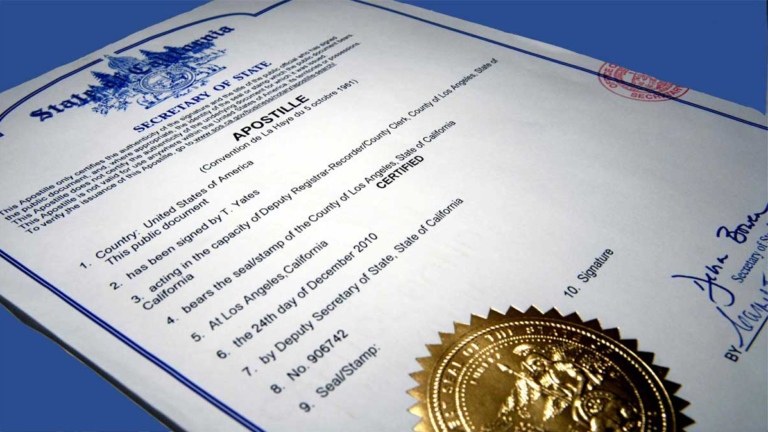



Introduction to Online Notarization

Online notarization is an emerging service that has gained relevance in the last decade, especially in a constantly evolving digital context. This process allows documents to be notarized virtual rather than requiring the physical presence of the notary and the signatory. Its origin dates back to the growing need to facilitate transactions and legal agreements without the restriction of geographical distance, a trend that was dramatically accelerated by the global pandemic.
With online notarization, individuals and companies can perform notarial acts from the comfort of their home or office, using secure digital platforms to ensure the authenticity and integrity of documents. This method not only offers convenience, but also efficiency, by reducing the time that would normally be devoted to coordinating meetings in person. The growing popularity of online notarization is partly due to its multiple benefits, which include access to notarization services at any time and the possibility of serving a wider audience.
It is important to understand that, despite its convenience, online notarization must be carried out in accordance with the laws and regulations that vary by country and state. Each jurisdiction has specific requirements to be met, so it is vital that users become familiar with the process to avoid legal disadvantages. In this context, it is essential to provide adequate information on how online notarization works and the elements needed to ensure that all documents are legally recognized. At the end of the day, an adequate understanding of this modern practice can be fundamental in the current legal environment.
Advantages of Online Notarization
Online notarization has emerged as a practical and modern solution in the management of legal documents, offering multiple advantages over traditional notarization methods. One of the main advantages is the comfort it offers to users. Thanks to current technology, individuals can perform the notarization process from anywhere with Internet access, eliminating the need to move to a physical notary office. This is particularly beneficial for those with limited mobility or living in remote areas.
Time saving is another significant advantage of online notarization. Traditional processes often require long waiting and coordination of hours between the parties involved and the notary. On the other hand, online notarization allows users to organize their appointments and perform the process in minutes, leading to a considerable increase in efficiency. This agile approach translates into less time spent on processing and more time for activities that really matter.
In economic terms, online notarization can also be more cost-effective. By eliminating costs associated with transport and waiting time, users can benefit from lower rates compared to conventional notarization. This makes online notarization an attractive option for both individuals and companies. As digitization continues to advance, it is clear that this method offers improved accessibility, allowing even those with limited resources to access uncomplicated notarial services.
In short, the benefits of online notarization, including comfort, time and cost savings, as well as greater accessibility, significantly outweigh traditional methods. This makes it an ideal option to meet current notarization needs, especially in an environment that values efficiency and convenience.
Legality of Online Notarization
Online notarization has become relevant in recent years, especially with the rise of technology and the digitization of legal documents. The legality of this process varies according to jurisdiction, as each country or state has its own laws and regulations governing notarization. In general, most jurisdictions have adapted their legal frameworks to include online notarization, recognizing its validity and facilitating its use in legal transactions.
For an online notarization to be considered valid, it is essential that it meets certain requirements established by the relevant authorities. For example, many states in the United States have enacted laws that allow notaries to perform notarial acts through digital platforms, provided that appropriate identity verification tools are used. This includes the use of real-time videos and facial recognition technologies, which ensures that the parties involved in the process are effectively present and are who they claim to be.
In addition, the certifications necessary to carry out an online notarization vary by jurisdiction. Some states require notaries to obtain special leave or to register in a training programme related to electronic notarization. It is also essential that notaries use authorized software that meets local standards, as this ensures that the process is safe and that the integrity of notarized documents is maintained.
In conclusion, online notarization is legal in many jurisdictions, provided that the established requirements and regulations are met. It is essential that both notaries and users understand these regulations to ensure that the process is valid and binding.
Online Notarization Process

Online notarization has become an essential process for many users seeking to facilitate document validation without the need to physically move to a notary office. This procedure follows a number of steps that must be taken to ensure its effectiveness and legality. In this sense, the first step is зарегистрse on an online notarization platform. Most of these platforms require the user to create an account, providing basic information such as name, email address and sometimes a form of identification.
Once registered, the next step is to load the document you want to notarize. It is important to ensure that the document is in an accepted format, such as PDF or JPG, and that it is readable. The platform can provide specific instructions on acceptable file types. The identity of the signatory is then verified. This process may include video calls, security questions or the presentation of valid identity documents, thus ensuring that the person who signs the document is actually who he claims to be.
After the identity check, the signatory may proceed to sign the document electronically. Digital tools allow the signature to be both secure and recognizable. An official notary will review the document and confirm that everything is in order before adding its signature and digital seal. Finally, the notarized document can be downloaded and stored electronically, providing users with quick and secure access to their notarial documents without complications. Each of these steps is crucial to ensure that the online notarization process is effectively completed and in accordance with existing regulations.
Security in Online Notarization
Online notarization has emerged as a convenient solution today, providing an efficient method to authenticate documents remotely. However, it is essential that the platforms offered by this service implement robust security measures. Security in online notarization is based on multiple layers that ensure the protection of information and the integrity of documents throughout the process.
First, identity authentication is a key aspect of security in electronic notarization. This may include methods such as the use of facial recognition, authentication of two factors and verification of identity documents. These measures ensure that only authorized persons have access to sensitive information and can prevent identity fraud or suplantations.
In addition, it is essential that the online notarization platform use data encryption protocols. This means encryption of the information transmitted and stored, which ensures that, even in case of a cyber attack, the data cannot be read without the right keys. Safety in notarization is not only a matter of protection during data transmission, it also includes how notarized documents are stored.
Platforms should ensure that documents and related information are stored on secure servers, equipped with advanced security technologies and restricted access. The traceability of documents, using blockchain or other technologies, can add an additional layer of integrity and authenticity to online notarization, ensuring that each transaction is transparent and verifiable.
In short, security in online notarization is a critical component that involves several levels of protection, from identity authentication to encryption measures. By adopting these safety standards, you can guarantee a reliable and secure online notarization experience for all users involved.
Consistency and Effectiveness of Online Notarization
Online notarization has gained popularity in recent years, especially in a world that is increasingly digitized. This method is presented as a fast and accessible alternative to traditional notarization, which invites the evaluation of its consistency and effectiveness. According to a recent study, it has been reported that more than 70% of users who used online notarization services stated that their experience was as satisfactory as that of a notary in person.
A key aspect for measuring the effectiveness of online notarization is its ability to meet the same legal standards as traditional methods. The legislation around electronic notarization has evolved, allowing many states of the US. EU accept these documents as legal equivalents. In this sense, a case study in the state of California showed that, in real legal situations, online notarization was successfully used in the validation of documents for the purchase of properties. This reinforces the idea that, with the right technology, a level of veracity similar to that of face notarization can be achieved.
Moreover, the speed of the process is another factor to consider. Online services tend to offer much shorter response times, which is critical in situations that require rapid resolution. Statistics have shown that the average time to complete an online notarization session is approximately 15 minutes, compared to the 30-60 minutes that may be required in a physical environment. This efficiency results in greater consistency in the provision of notarial services, making them accessible to those who need to notice documents urgently.
In this way, it is clear that online notarization is not only a viable but also an effective option, maintaining high levels of consistency and satisfaction among users who choose this modality rather than traditional methods.
How to Start with Online Notarization
Initiating the online notarization process is essential for those seeking an efficient and convenient solution to their notarial needs. To begin with, the first thing you should do is investigate and select an online notarization platform that fits your specific requirements. Make sure you choose a service that is duly certified and in compliance with state and local regulations. This will ensure that your documents are valid and legally accepted.
Once the platform is chosen, the next step is to create an account. In most cases, this process is quite simple and involves providing basic personal information and often verifying their identity through official documents. Most platforms require the use of video conference technology, so it is vital to have a device with a functional camera and microphone. Familiar with the software provided to choose the option that best suits your needs; many applications offer tutorials to facilitate use.
Before notarial appointments, make sure you have all the necessary documents in hand. This includes identifying the type of document that needs to be notarized and preparing any additional form that the platform requires. In addition, it is essential to review the rates associated with the online notarization service, as these may vary by supplier. Finally, keep abreast of the latest updates and changes in online notarization regulations, as this field is constantly evolving. This will enable you to make the most of the available tools and ensure that your documents meet the latest standards.