

Introducción a la Firma Notarial
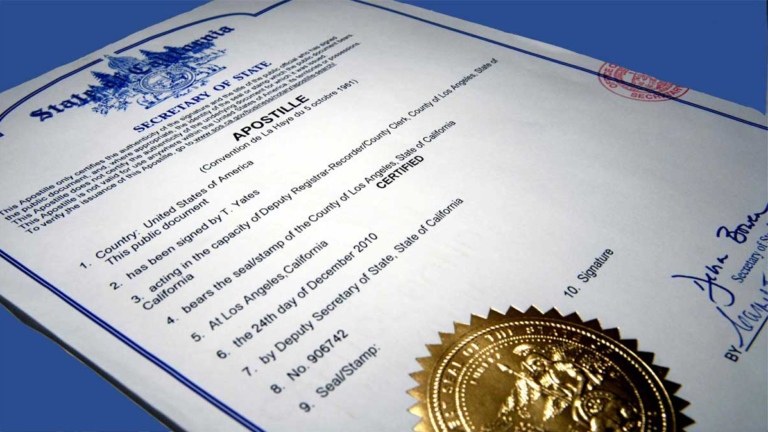
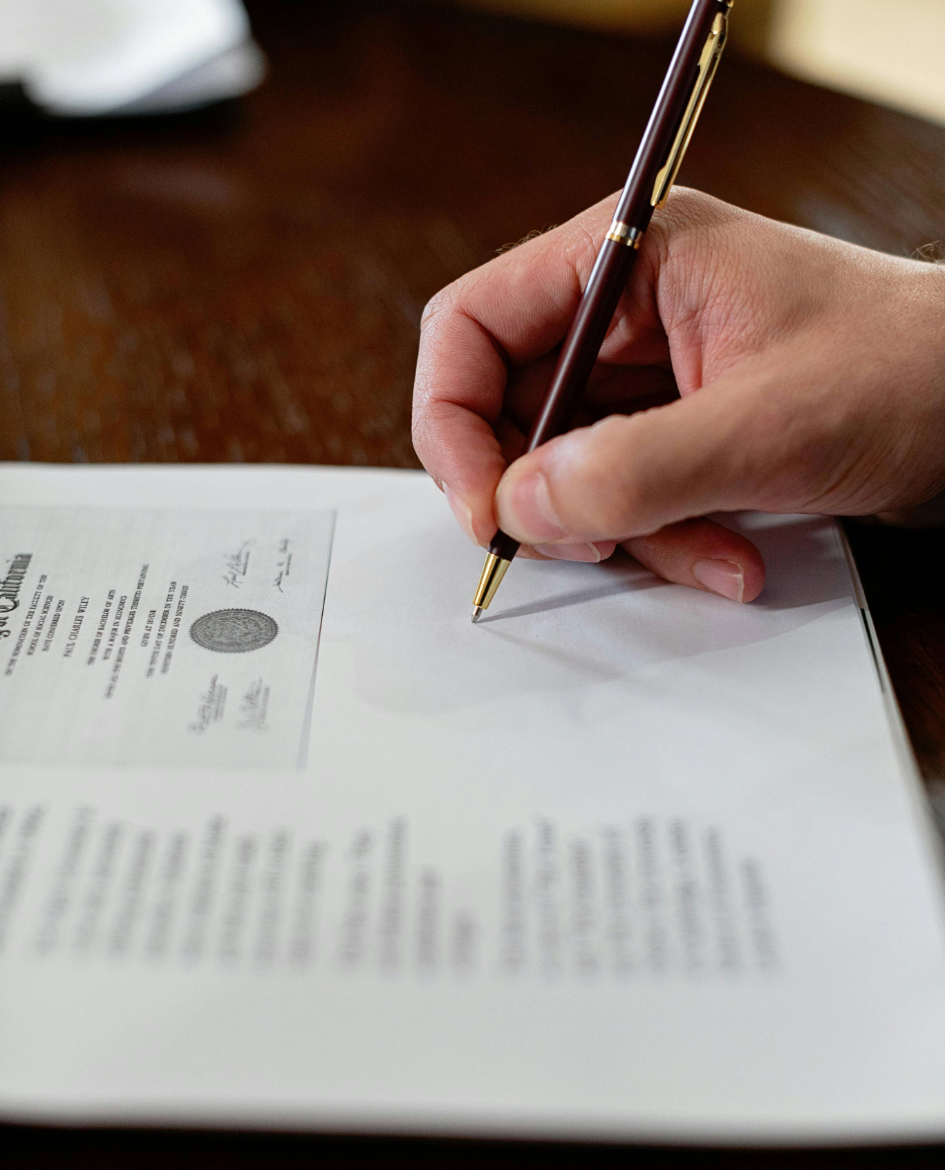
La firma notarial es un elemento esencial en el ámbito legal, utilizado para validar y dar fe de la autenticidad de distintos documentos. Esta firma, que es realizada por un notario público, no solo establece la identidad de las partes involucradas, sino que también garantiza la veracidad de los actos que se llevan a cabo. En términos simples, se puede considerar como un mecanismo de certificación que otorga confianza a las transacciones y acuerdos jurídicos.
The function of the notarial signature extends beyond mere formality; its relevance lies in the legal protection it offers. In various situations, such as the purchase of real estate, the formation of companies, or the development of wills, the presence of a notarial signature acts as legal support. This means that documents signed before a notary have greater evidentiary force in the event of legal disputes, as the notary is an official who ensures the necessary conditions for the legitimacy of the act.
In addition, the notarial signature becomes a symbol of trust between the parties involved. When using a notary, it is sought not only the validation of the signature, but also the neutrality and impartiality of the signature. This allows both individuals and companies to feel safe in concluding their agreements, knowing that they are covered by a legal process that respects existing regulations and regulations.
In conclusion, notarial signature is a key component in the legal certainty of many legal acts. This mechanism not only ensures the authenticity and validity of documents, but also promotes an environment of trust between the parties, which is essential in the development of any significant transaction or agreement.
Types of Documents Requiring Notarial Signature
Notarial signature is an essential requirement for various legal documents that guarantee its validity and authenticity. The types of documents that commonly require a notarial signature include contracts, powers and testaments. Each of these documents plays a crucial role in protecting the rights of the parties involved and ensures that the agreements are enforceable.
Contracts are agreements between two or more parties that establish mutually accepted obligations and rights. In having a notarial signature, these contracts acquire an additional level of security by demonstrating that the signatures are legitimate and that the parties have consciously agreed on the terms. The absence of a notarial signature in a contract may result in difficulties in enforcing its terms in a court, which could lead to complex legal disputes.
Another type of document that often needs to be notarized is power. This allows one person to act on behalf of another in a variety of legal, financial or personal transactions. A power of attorney gives confidence to the parties involved, ensuring that the decisions taken by the owner are supported by the will of the grantor. If such a document lacks a notarial signature, its effectiveness could be questioned, and this could put important decisions or transactions at risk.
Finally, the wills are documents that determine how a person's property will be distributed after his death. The notarization of a will ensures that the document has been prepared in accordance with the law and that the tester was in full use of his mental powers. Not having a notarial signature in a will can open the door to legal challenges, which could lead to family conflicts and delays in the succession process.

Benefits of counting with a Notarial Signature
The notarial signature offers multiple benefits that are essential in the legal and commercial field. One of the main benefits of having a notarial signature is the guarantee of authenticity it provides. By certifying the signature of the parties involved, the notary ensures that the documents are true and that the persons who sign them do so voluntarily and consciously. This validation is crucial in situations where trust is fundamental, such as sales contracts or marriage agreements, where the integrity of the document is a priority.
Otro beneficio significativo es la prevención de fraudes. La intervención de un notario actúa como un filtro que ayuda a identificar cualquier intento de manipulación o falsificación de documentos. En un mercado donde el fraude es un riesgo común, la presencia de una firma notarial puede disuadir a potenciales estafadores. Por ejemplo, al firmar un poder notarial, el notario verifica la identidad del otorgante, lo que dificulta que una persona no autorizada se haga pasar por otra para obtener beneficios indebidos.
La facilidad en la ejecución de documentos legales también es un aspecto que merece ser destacado. Un documento notariado tiene un peso legal superior y suele ser más fácilmente aceptado ante entidades gubernamentales, bancos y organizaciones. Esto significa que, en caso de un desacuerdo, la resolución puede ser más rápida y menos complicada. Por ejemplo, un contrato de arrendamiento notariado puede ser presentado en un tribunal como prueba irrefutable de las condiciones acordadas, lo que facilita la resolución de disputas entre inquilinos y propietarios.
Estos beneficios demuestran que contar con una firma notarial no solo añade un nivel de protección, sino que también optimiza la gestión de documentos legales en una variedad de situaciones. La fe pública que otorgan los notarios es un recurso valioso para cualquier persona o entidad que busque formalizar acuerdos de manera segura y efectiva.
Consejos para Mantener la Legalidad de Documentos Importantes
La legalidad de los documentos importantes no se limita exclusivamente a la firma notarial. Es esencial adoptar prácticas integrales que aseguren la validez y la seguridad de estos documentos. En primer lugar, la correcta redacción de documentos es fundamental. Asegúrese de que el contenido sea claro, conciso y refleje con precisión la intención de las partes involucradas. Utilizar un lenguaje legal apropiado y evitar ambigüedades es crucial, ya que esto minimizará la posibilidad de malentendidos o disputas en el futuro.
Además de la redacción adecuada, la verificación de identidades representa otro paso crítico en la formalización de documentos. Es recomendable solicitar documentos de identificación válidos y llevar a cabo una revisión minuciosa antes de proceder con cualquier firma. Esta práctica no solo proporciona una capa adicional de seguridad, sino que también ayuda a prevenir fraudes, ampliando así la confianza en el proceso. En este sentido, el uso de tecnología, como firmas electrónicas verificadas, puede ser muy eficaz en facilitar la autenticidad y legalidad de las firmas.
Last but not least, the preservation of documents plays a vital role in maintaining its legality. Be sure to store all important documents in safe and easily accessible places. Consider the implementation of digital copies of documents, as well as the use of documentary management systems, can be very useful in ensuring that information is kept intact over time. Regular tracking of files and review of their status will also contribute significantly to their legality. Taking these advice will allow your documents not only to remain legally valid, but also secure and accessible where necessary.
Legal aspects of the Notarial Signature
The notarial signature plays a key role in the validation of documents in various jurisdictions. From a legal point of view, the notary acts as an impartial intermediary that guarantees the authenticity of the documents and the identities of the parties involved. The laws governing these processes often vary from country to country, but they share common principles that ensure the integrity of notarial transactions.
The regulations involving notarial signature define the competences and responsibilities of notaries. In many jurisdictions, notaries must meet specific training and certification requirements to exercise their role. This not only ensures that they are competent in the law, but also that they understand the importance of each aspect of the notarial process, from identity verification to signature in the presence of the notary.
In addition, in some regions, the laws provide that the notarial signature must be accompanied by additional documentation, such as an oath or declaration. This is implemented to increase the transparency and legality of the transaction. For example, in countries such as Spain, notarial law requires all notarial documents to be archived for future consultation, thus providing an additional safeguard mechanism.
Also, the notary's responsibility does not end with the signing of the document. In case of disputes, notaries may be required to testify about the notarization process and any irregularity that may have occurred. The notarial signature therefore not only provides legal validity, but also protects the parties by providing a level of confidence in transactions. In this way, the notarial function is established as a cornerstone within the legal framework, monitoring equity and justice in documentary agreements.
Common Questions About Notarization.

Common Errors Using Notarial Signature
El uso de la firma notarial es un proceso fundamental para garantizar la autenticidad de documentos y transacciones legales. Sin embargo, existen errores comunes que las personas suelen cometer, lo que puede afectar la validez del documento firmado. Uno de los errores más frecuentes es la falta de testigos en el acto de la firma. En muchos casos, las leyes requieren que se cuente con un testigo o testigos, quienes pueden corroborar que la firma ha sido realizada de manera voluntaria y consciente. No seguir este requisito puede invalidar el documento y otorgar lugar a disputas legales.
Otro error notable es la inadecuada identificación de las partes involucradas. Es esencial que el notario confirme la identidad de cada firmante a través de documentos de identificación válidos, como pasaportes o cédulas de identidad. Si hay confusión o incoherencias en la identificación, el documento firmado puede ser considerado nulo. Esta situación subraya la importancia de presentar documentos actualizados y en buen estado durante el proceso notarial.
Por otra parte, la comprensión insuficiente del contenido del documento por parte de los firmantes es un error que puede tener repercusiones graves. A menudo, las personas se apresuran a firmar sin tomarse el tiempo necesario para leer y entender completamente los términos y condiciones del documento. Este acto podría llevar a compromisos no deseados o a decisiones financieras perjudiciales. Por lo tanto, es crucial que todos los involucrados se dediquen a revisar el contenido del documento y hagan preguntas al notario si hay alguna incertidumbre.
La atención a estos detalles es vital para asegurar un uso correcto de la firma notarial y prevenir inconvenientes legales en el futuro.
Criterios para seleccionar un notario de confianza
La elección de un notario de confianza es un paso esencial en la formalización de documentos legales. Para asegurar la validez de una firma notarial, es crucial que el notario posea las credenciales adecuadas. En muchos países, los notarios deben tener formación legal y estar licenciados para ejercer. Asegúrese de que el notario que elija cumpla con estos requisitos, ya que estas credenciales son fundamentales para garantizar que los documentos tengan la autenticidad necesaria y que cumplan con las normativas legales pertinentes.
Conclusiones sobre la Importancia de la Firma Notarial
La firma notarial juega un papel fundamental en el ámbito legal y administrativo, asegurando la autenticidad y la integridad de los documentos. Al proporcionar un sello oficial, los notarios facilitan la verificación de la identidad de las partes involucradas, lo que a su vez minimiza los riesgos de fraudes y disputas legales. A través de este proceso, se establece un nivel de confianza que es esencial en cualquier tipo de transacción, ya sea personal o comercial.
Los documentos notariales se consideran más que simples papeles; son instrumentos que consolidan derechos, obligaciones y acuerdos entre partes. Esto es especialmente importante en ámbitos como la compraventa de propiedades, el establecimiento de testamentos o la creación de contratos. Sin la firma notarial, estos documentos podrían ser cuestionados en su validez y autenticidad, lo que podría resultar en complicaciones legales y pérdidas económicas.
Además, la firma notarial es una garantía de que se han seguido los procedimientos adecuados durante la elaboración del documento. El notario, como un profesional imparcial, asegura que todas las partes han entendido el contenido y las implicaciones del documento que están firmando. Esto no solo protege a los firmantes, sino que también asegura que los principios de la justicia y la equidad sean respetados.
Por lo tanto, es esencial reconocer la importancia de la firma notarial en nuestra vida cotidiana y en los procesos legales. La seguridad que proporciona, junto con la certeza jurídica que garantiza, subraya la relevancia de este procedimiento. Al considerar sus interacciones legales, los individuos deben apreciar la necesidad de involucrar a un notario en la formalización de documentos para asegurar su validez en el futuro. Actuar de esta manera no solo es prudente, sino que también es una demostración de responsabilidad ante las decisiones legales que se tomen.
¿Por qué la función notarial es importante para la sociedad?